Table of Contents
Introduction:
In the 21st century, the web has become a crucial part of everyday life. From instruction and communication to shopping and energy, each point of human interaction depends on the progression of stages. While this progress has made unending openings, it has also displayed veritable perils. Online security has become one of the most pressing concerns for individuals, families, businesses, and governments. Whether it’s cybercrime, data breaches, online goading, or traps, the perils are honest to goodness and increasing each day.
This article gives a comprehensive overview of online security, examining its risks and perils, strategies, and prospects. By the conclusion, you will have down to soil data to protect yourself and your loved ones from the hidden dangers of the internet.
The Creating Importance of Online Safety:
The web is no longer a luxury—it is a requirement. With over 5 billion people online, progressive spaces have gotten to be as honest to goodness and imperative as physical spaces. Reasonable as we lock our entryways at night or ensure our wallets, online security is additionally essential.
Some key reasons why online security matters:
- Rising Cybercrime: Software engineers, scammers, and identity punks are persistently progressing to exploit vulnerabilities.
- Children’s Frailty: Energetic web clients are at a higher risk of cyberbullying, abuse, and exposure to dishonorable content.
- Data Security Perils: Each press, see, and post leaves behind data that can be manipulated by harmful on-screen characters or in fact corporations.
- Financial Perils: Online shopping, keeping cash, and progressed wallets are slanted to blackmail and phishing attacks.
- Mental Prosperity Impacts: Online goading and introduction to damaging substance can have long-lasting eager comes about.
Common Online Threats
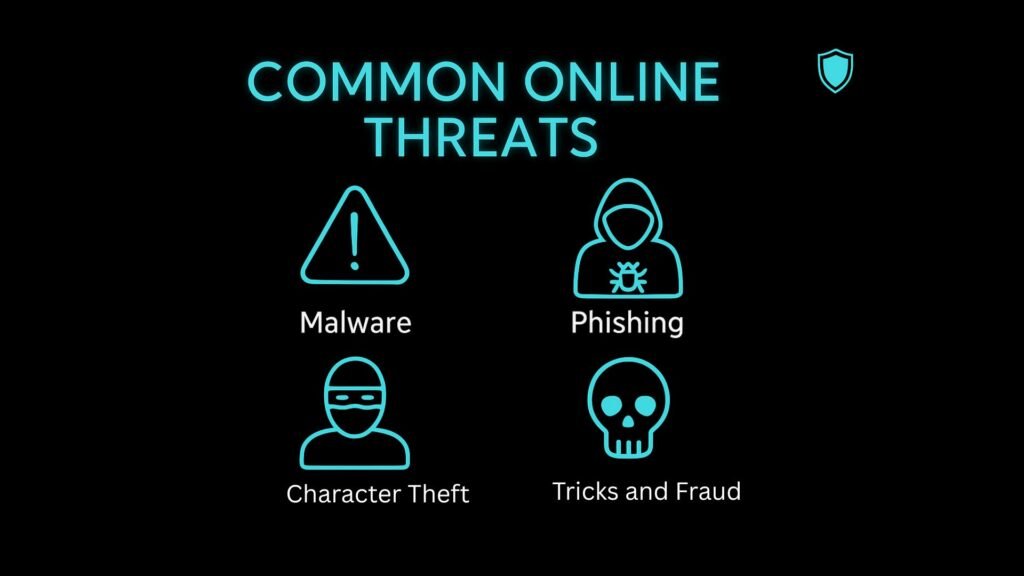
Understanding the dangers is the to begin with step to ensuring yourself. Here are the most common dangers to online safety:
Phishing Attacks:
Phishing includes deceiving clients into giving delicate data, such as passwords or managing an account points of interest, by imagining to be a dependable source. These assaults as a rule come in the shape of emails, fake websites, or content messages.
Malware and Viruses:
Cybercriminals utilize malevolent program to pick up unauthorizeaccessto to gadgets, take information, or harm systems. Malware regularly spreads through downloads, tainted links, or compromised attachments.
Character Theft:
When somebody takes your personal data and employs it for fraudulent purposes, it’s called identity theft. Casualties may confront money related misfortunes or reputational damage.
Cyberbullying:
Online badgering, abhor discourse, and bullying are broad, especially on social media stages. Casualties may endure from push, uneasiness, and indeed depression.
Tricks and Fraud:
From fake online shops to speculation tricks, fraudsters utilize advanced procedures to bait individuals into losing money.
Attack of Privacy:
Companies and programmers alike collect individual information. Without legitimate protection settings, clients may unconsciously uncover touchy information.
Unseemly or Destructive Content:
Children and youthful grown-ups can effectively experience destructive materials such as savagery, erotica, or radical propaganda.
Online Security for Individuals
Strong Watchword Practices:
Passwords are the to begin with line of defense. Utilizing solid, special passwords for distinctive accounts decreases dangers. A solid secret word should:
- Be at slightest 12 characters long
- Using a watchword chief can offer assistance you keep track of complex passwords securely.
Two-Factor Verification (2FA):
Enabling 2FA includes an additional security layer. Indeed if a programmer takes your watchword, they would still require a moment code (as a rule sent to your phone or produced by an app) to get to your account.
Updating Program Regularly:
Operating frameworks, browsers, and applications discharge standard security overhauls. Coming up short to upgrade takes off your gadget helpless to cyberattacks.
Safe Browsing Habits:
Avoid clicking on suspicious links, particularly in spontaneous emails or pop-up advertisements. Confirm site URLs some time recently entering individual points of interest. A secure site ordinarily starts with “https://” and displays a lock symbol.
Antivirus and Firewalls:
Using trustworthy antivirus computer program and empowering firewalls makes a difference in identifying and square malevolent threats.
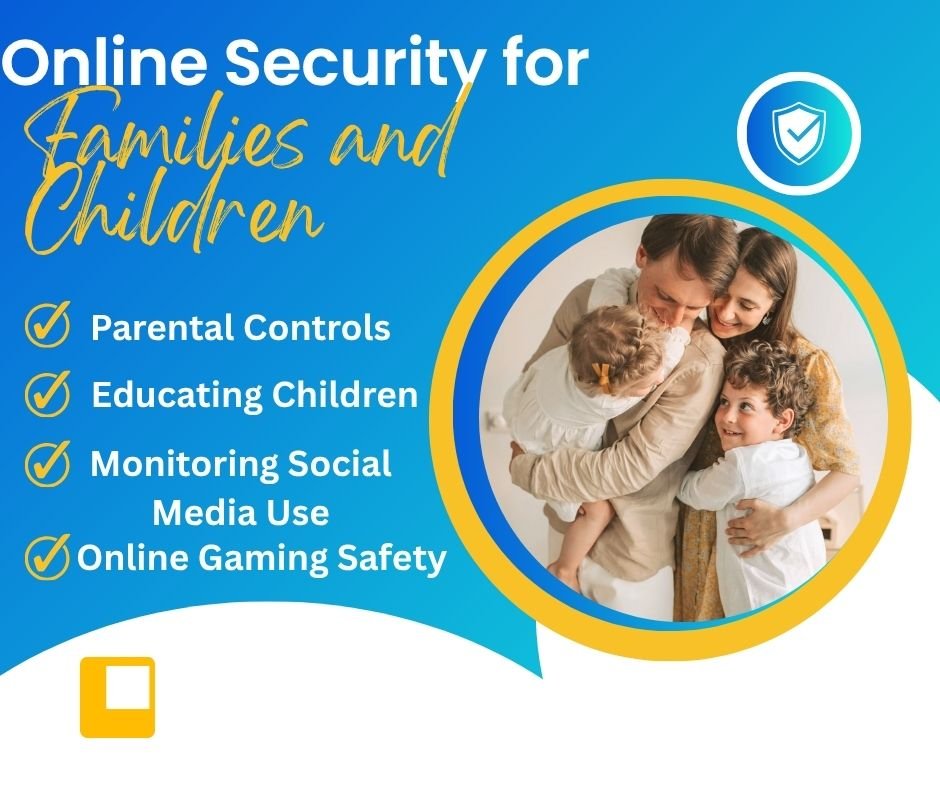
Online Security for Families and Children
Children and young people are among the most defenseless bunches online. Guardians and gatekeepers must take dynamic steps to secure them.
Parental Controls:
Most gadgets and stages offer parental controls to limit content, set screen-time limits, and monitor activity.
Educating Children:
Open communication is key. Instruct children about:
- The threats of sharing individual information
- Identifying cyberbullying
- Reporting suspicious activities
Monitoring Social Media Use:
Social media can expose youthful clients to outsiders, hurtful content, and peer pressure. Guardians ought to direct children on security settings and empower sound online habits.
Online Gaming Safety:
Online recreations are a well known medium for interaction, but they moreover posture dangers such as presentation to outsiders or in-game tricks. Energize secure gaming by setting boundaries and checking interactions.
Online Security for Businesses
Businesses are prime targets for cybercriminals due to the expansive sums of delicate information they store.
Employee Training:
Most breaches happen due to human blunders. Customization preparation on phishing, information taking care of, and password management is crucial.
Data Encryption:
Encrypting delicate client information guarantees that indeed if it is stolen, it remains unreadable.
Secure Networks:
Businesses ought to contribute in secure systems, firewalls, and Virtual Private Systems (VPNs) to secure inner communications.
Regular Backups
Ransomware assaults can lock businesses out of their claim information. Standard reinforcements minimize harm and guarantee speedy recovery.
Compliance with Regulations
Businesses must follow to information security laws such as the GDPR (Common Information Assurance Control) to defend shopper trust.
Online Security for Olders
Older grown-ups are frequently focused on by tricks due to restricted computerized education. Common tricks incorporate fake tech back, lottery extortion, or phishing calls.
Tips for Olders:
- Be cautious of spontaneous emails and phone calls
- Never share keeping money subtle elements or passwords
- Ask trusted family individuals some time recently making online purchases
- Use basic guides to learn secure web practices
The Part of Governments and Organizations:
Governments, law enforcement agencies, and worldwide organizations play a critical part in improving online security. They:
- Develop cybersecurity laws and policies
- Conduct mindfulness campaigns
- Monitor and take down pernicious websites
- Provide stages for announcing cybercrimes
Public-private associations are moreover crucial in building a secure, re advanced ecosystem.
The Future of Online Safety:
As innovation advances, so do online dangers. Fake insights (AI), blockchain, and quantum computing will reshape the cybersecurity scene. AI will improve danger discovery, but it might too be abused by cybercriminals. Blockchain guarantees secure exchanges, whereas quantum computing might challenge existing encryption methods.
The future requests computerized education, more grounded worldwide participation, and persistent advancement to protect online spaces.
Conclusion:
Online security is not a one-time assignment but a continuous obligation. With dangers getting to be more modern, people, families, businesses, and governments must work together to make a secure computerized world. By embracing secure practices—such as solid passwords, cautious browsing, parental direction, and representative training—we can diminish dangers significantly.
In the computerized age, mindfulness and watchfulness are your most noteworthy instruments for security. Fair as you bolt your entryways at night, it’s time to bolt your advanced entryways and secure your online life.
Frequently Asked Questions
What is online safety?
Online security alludes to the hone of securing oneself, individual information, and advanced exercises from cyber dangers such as hacking, tricks, and online harassment.
Why is online security important?
It makes a difference to avoid personality robbery, money-related extortion, cyberbullying, and unauthorized access to individual or commercial information. Without appropriate safeguards, online clients can be confronted.
How can I secure my children online?
Use parental controls, screen their social media utilize, teach them almost threats, and empower open communication. Setting boundaries and instructing computer obligations are essential.
What are the most common online threats?
The most common dangers incorporate phishing, malware, tricks, personality robbery, cyberbullying, and security breaches.
Is an antivirus program sufficient for online safety?
While an antivirus program is imperative, it is not sufficient on its own. Secure browsing propensities, solid passwords, and customary overhauls are similarly fundamental for protection.
How can businesses guarantee online safety?
Businesses ought to prepare representatives, utilize information encryption, contribute to secure systems, conduct regular backups, and comply with cybersecurity regulations.